Storm Damaged Roof? Delray’s Guide to Action & Repair
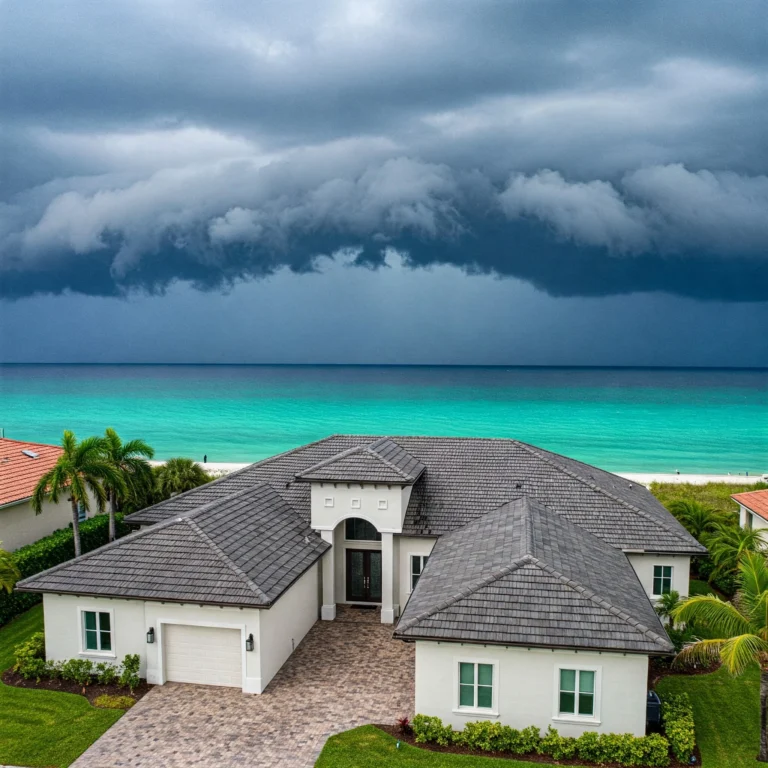
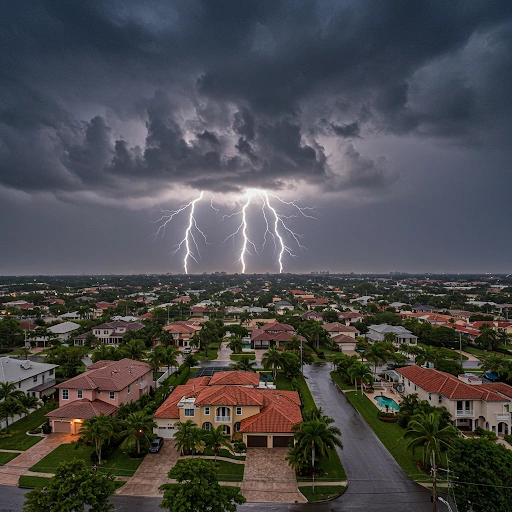
South Florida living is unparalleled, but as Delray Beach residents and commercial property owners know, our beautiful weather can turn fierce. Hurricanes, tropical storms, and even severe thunderstorms pose a significant threat, and your roof is often the first line of defense.
When you’re faced with a storm damaged roof, the aftermath can feel overwhelming. Questions swirl: Is my property safe? What do I do first? How do I deal with insurance? Who can I trust for repairs?
At Ron Bell Roofing, we’ve been helping our Delray Beach neighbors navigate the complexities of storm damaged roofs for over 38 years. This comprehensive guide is designed to empower you with the knowledge you need. We’ll dive deep into how storms impact South Florida roofs, the immediate steps to take post-storm, how to identify both obvious and hidden damage, the ins-and-outs of insurance claims in Florida, and why choosing an experienced local roofer is paramount. Let’s get your property, and your peace of mind, restored.
The Fury of Florida Weather: How Storms Target Your Delray Beach Roof
Living in Delray Beach means basking in sunshine for much of the year, but it also means preparing for the powerful forces of nature that can impact our homes and businesses. Understanding how different types of storms affect your roof is the first step in mitigating damage and ensuring a swift recovery.
Our South Florida climate, with its intense heat, humidity, and seasonal storm activity, puts unique stresses on roofing systems. A storm damaged roof isn’t just an inconvenience; it can compromise the safety and integrity of your entire structure.
Hurricane Havoc: Understanding Wind Forces and Uplift
Hurricanes are, undoubtedly, the most formidable weather challenge for South Florida roofs. The sheer power of hurricane-force winds can be devastating. These winds don’t just blow against your roof; they create complex pressure differentials. As wind flows over the roof, it can create a lifting effect, similar to how an airplane wing generates lift. This is known as wind uplift.
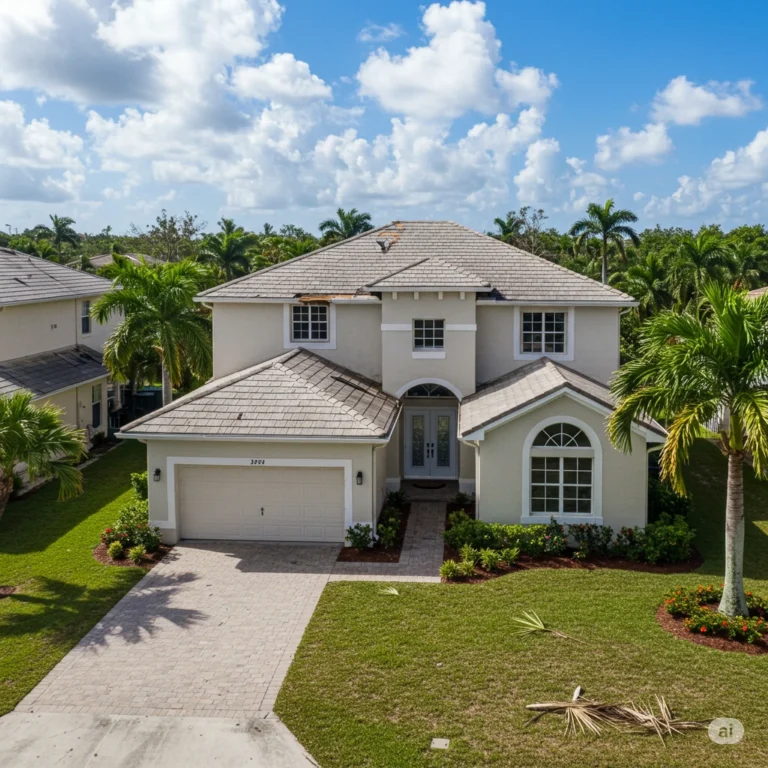
For a roof in Delray Beach, particularly older ones or those not built to the latest codes, this uplift can peel off shingles, dislodge tiles, or even tear away sections of the roofing material and underlayment.The edges and corners of your roof are especially vulnerable. For example, during Hurricane Wilma in 2005, many homes in Palm Beach County experienced significant roof damage due to high winds, even if the eye of the storm didn’t pass directly overhead.
This event highlighted the importance of robust roof-to-wall connections and properly secured roofing materials. The age of your roof also plays a critical role; older shingles become brittle and lose adhesion, making them prime candidates for issues when you search “how to identify wind damage on tile roofs Florida” or shingle roofs.
Tropical Storms & Heavy Rain: The Silent Saboteurs
While hurricanes get the headlines, tropical storms and our regular heavy rainfall events present their own set of problems. These systems can dump inches of rain in a very short period, overwhelming gutters and drainage systems. If your roof has any pre-existing weaknesses, such as loose flashing around chimneys or vents, or cracked sealant, this torrential rain will find its way in.
This is where “preventing roof leaks during Florida rainy season” becomes a crucial proactive measure.
Unlike the dramatic tearing of shingles in a hurricane, water intrusion from heavy rain can be subtle at first, leading to slow leaks that saturate insulation, damage drywall, and create an environment ripe for mold growth. This type of storm damaged roof often manifests as water stains on your ceiling or walls, sometimes long after the storm has passed.
The cumulative effect of frequent, heavy rain can weaken the roof deck and compromise the structural integrity over time if not addressed.